
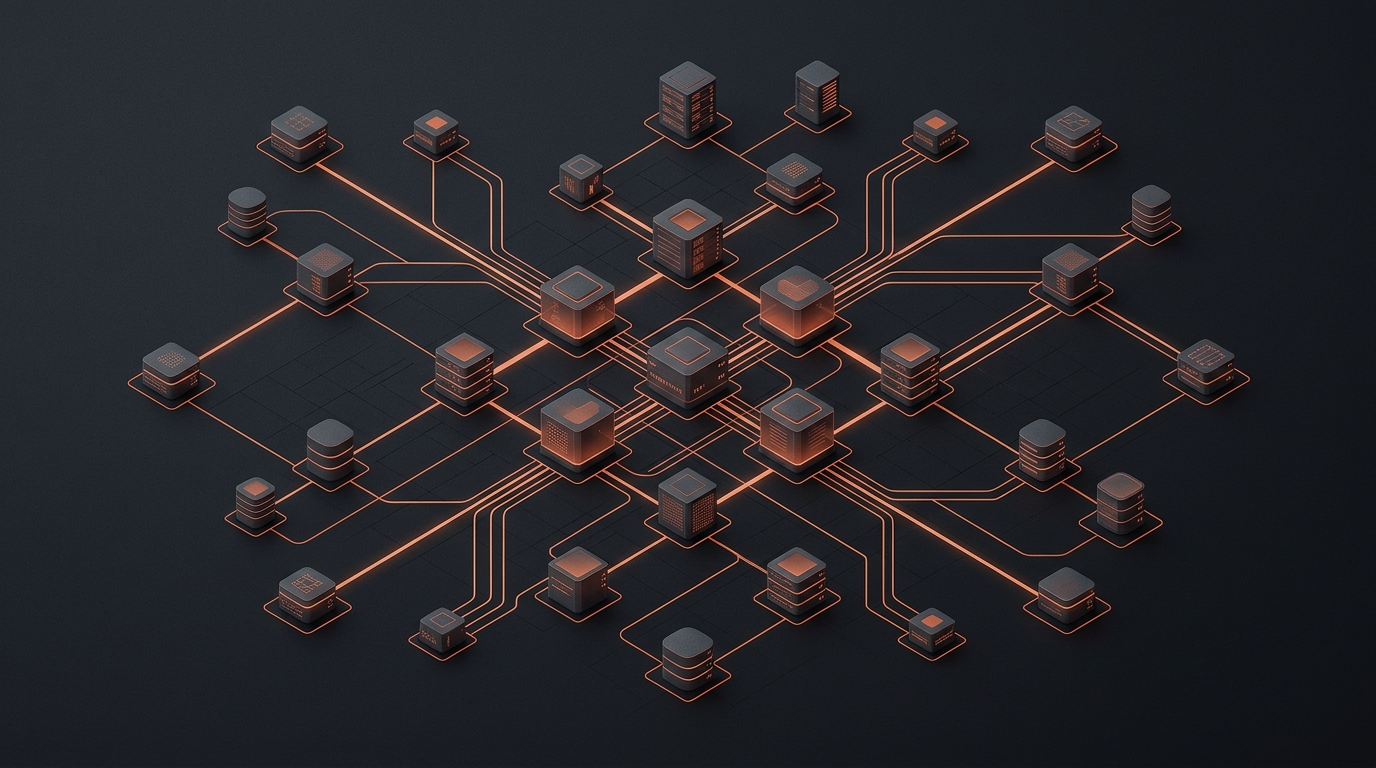
As datasets grow beyond the capacity of a single physical node, architects must transition from monolithic database designs to distributed storage topologies. The primary challenge is not merely adding capacity, but maintaining consistency, availability, and performance under the inevitable constraints of the CAP theorem. Understanding the distinction between partitioning and sharding is fundamental to building systems that survive hyper-scale growth.
Partitioning, often referred to as horizontal partitioning, involves splitting a single logical dataset into smaller, more manageable pieces—partitions—that still reside within the same database instance. Sharding, by contrast, is the process of distributing these partitions across multiple physical machines. While both techniques aim to reduce the load on individual indexes and disks, sharding introduces significant network overhead and distributed transaction complexities that partitioning alone does not.
Vertical vs. Horizontal Partitioning
Vertical partitioning involves splitting tables by columns. If a table contains high-frequency columns alongside large, infrequently accessed blobs, moving the blobs to a separate table or schema reduces I/O contention on the primary table. This is effective for optimizing cache locality but does little to solve the fundamental storage limit of a single server.
Horizontal partitioning splits data by rows. This is the cornerstone of scaling out. By defining a partition key, rows are distributed into segments. The effectiveness of this approach depends entirely on the cardinality and distribution of the key. A poorly chosen key leads to ‘hot partitions,’ where one node handles the majority of the traffic, effectively nullifying the benefits of a distributed architecture.
Strategies for Sharding
Choosing a sharding strategy is the most critical decision in distributed database design. The most common approaches are range-based, hash-based, and directory-based sharding.
- Range-based: Data is split based on ranges of the partition key. While intuitive, it often leads to uneven data distribution if the key is time-based or sequential.
- Hash-based: A hash function is applied to the key to determine the shard. This ensures uniform distribution, but it makes range queries across shards computationally expensive.
- Directory-based: A lookup service maintains the mapping between keys and shards. This is the most flexible, but it introduces a single point of failure and a potential latency bottleneck.
The Cost of Distributed Transactions
Once data is sharded across multiple nodes, ACID compliance becomes significantly more difficult to guarantee. A transaction that spans multiple shards requires a two-phase commit (2PC) or a saga pattern. These protocols introduce latency and increase the risk of deadlocks.
interface ShardRouter {
  getShardForKey(key: string): ShardConnection;
  executeDistributedTransaction(queries: Query[]): Promise<boolean>;
}

// Example of a naive sharded query executor
async function queryAcrossShards(keys: string[], query: string) {
  const shards = new Set(keys.map(k => router.getShardForKey(k)));
  return Promise.all([...shards].map(s => s.execute(query)));
}
The code above illustrates the operational overhead: aggregating results from multiple shards requires the application layer to handle merge-sorts and potential partial failures. If one shard is down, the entire transaction may fail, necessitating robust retry logic and idempotency.
Operational Challenges and Rebalancing
Data growth is rarely static. As a cluster expands, you must rebalance shards to maintain performance. Moving terabytes of data between nodes without downtime is a complex engineering feat. Consistent hashing is often used here to minimize the number of keys that need to be remapped when adding or removing nodes from the cluster.
The complexity of a sharded system is not in the initial implementation, but in the operational burden of rebalancing, monitoring, and debugging distributed state.
Conclusion
Database sharding is an architectural last resort. Before implementing a distributed storage layer, ensure that vertical scaling, database tuning, and read replicas have been fully exhausted. When sharding is unavoidable, prioritize a hash-based distribution to prevent hot spots and invest heavily in observability. The shift to a sharded architecture is a permanent change in system complexity that requires a corresponding increase in infrastructure investment.