
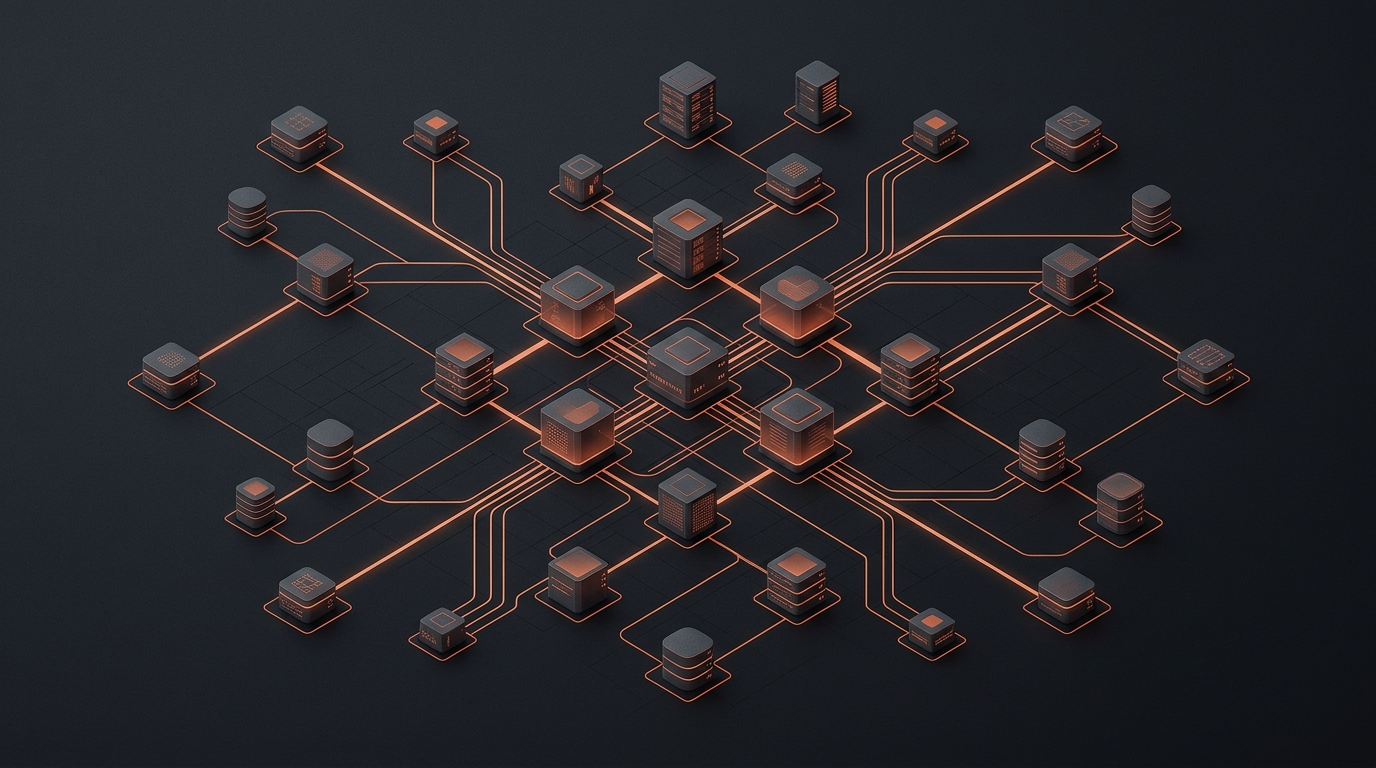
Solon Cloud Gateway 4.0.5 represents a significant iteration in the Solon ecosystem, providing a robust, non-blocking foundation for service routing. For engineering teams operating at scale, the default configuration is rarely sufficient. Achieving high performance and security requires a granular understanding of how the gateway processes request predicates, manipulates header chains, and manages underlying HTTP client connections.
The primary challenge in gateway architecture is maintaining a transparent yet secure flow of request metadata. With version 4.0.5, developers have gained finer control over the lifecycle of an incoming request, but this power introduces risks—specifically regarding the trust placed in X-Forwarded headers, which are frequently spoofed in misconfigured environments.
Mastering Request Predicates
Predicates in Solon act as the decision engine for routing. By moving beyond basic path matching, you can implement context-aware routing based on header values, request methods, or even custom attributes derived from the initial handshake. Efficient predicate matching minimizes the CPU overhead of the gateway’s routing table.
GatewayRouter.add("/api/**")
    .predicate(ctx -> ctx.header("X-Version").equals("v2"))
    .target("lb://service-v2");
When defining complex predicates, prioritize the order of evaluation. Solon evaluates these sequentially; placing your most restrictive or highest-traffic routes at the top reduces the average traversal time per request.
Filtering and X-Forwarded Header Integrity
The most common vulnerability in gateway implementations is the implicit trust of X-Forwarded-For (XFF) headers. If your gateway is positioned behind a load balancer (like AWS ELB or Nginx), it must be configured to only trust headers originating from known, internal IP ranges.
Never assume the X-Forwarded-For header is accurate unless you have explicitly configured your gateway to strip existing headers from external clients before appending the current connection’s peer address.
In Solon 4.0.5, use a global filter to sanitize these headers. If an external request arrives with a pre-populated X-Forwarded-For header, it must be ignored or overwritten. Failure to do this allows malicious actors to spoof their origin IP, potentially bypassing rate limits or security policies applied at the downstream service level.
Tuning the HttpClient
The performance of the gateway is inextricably linked to the underlying HttpClient. Solon 4.0.5 utilizes a connection pool that requires tuning based on the expected request volume and the latency of your backend services.
- Max Connections: Increase this if your gateway experiences high concurrency to prevent connection starvation.
- Keep-Alive: Ensure keep-alive is enabled to reduce the handshake overhead for frequently communicating microservices.
- Timeouts: Set aggressive connection and read timeouts to prevent a single slow backend from cascading latency throughout the entire system.
Conclusion
Securing and optimizing Solon Cloud Gateway 4.0.5 is an exercise in rigorous configuration. By taking control of the predicate evaluation order, strictly managing header sanitization, and tuning the HttpClient for your specific traffic patterns, you transform the gateway from a simple router into a hardened perimeter component. Always treat incoming headers as untrusted input and ensure your infrastructure-level security policies align with your application-level routing logic.